
Recovery Care for Seniors in Thane and Mumbai: Complete Guide to Post-Hospital Care & Elderly Rehabilitation (2026)
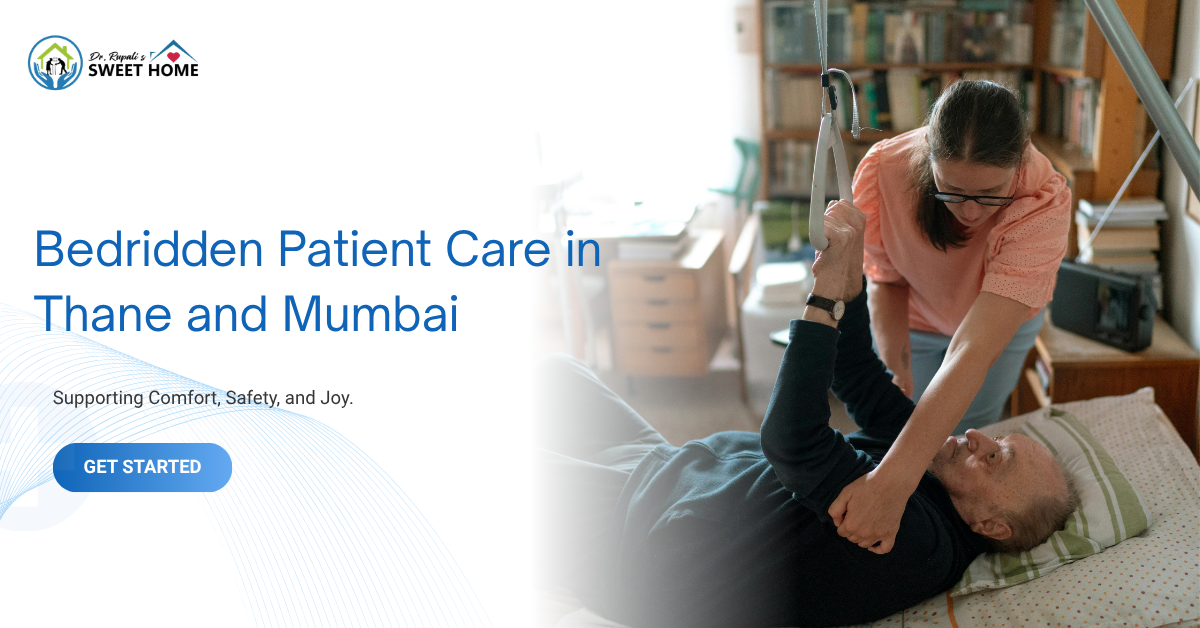
When an elderly family member becomes bedridden due to illness, surgery, stroke, injury, disability, or a chronic health condition, providing the right level of care can become challenging for families. Bedridden patient care in Thane and Mumbai focuses on providing continuous assistance with daily activities, hygiene, nutrition, mobility, medication management, and overall comfort.
Caring for a bedridden patient requires more than occasional assistance. Long periods of immobility can increase the risk of complications such as pressure sores, muscle weakness, poor circulation, infections, and emotional distress. Professional caregivers can help families manage these challenges while ensuring that the patient receives compassionate and respectful support.
At Sweet Home Elder Care, we understand the physical and emotional demands associated with caring for dependent and elderly patients. Our approach focuses on creating a safe, comfortable, and supportive environment where seniors can receive personalized assistance based on their individual needs.
Whether you are searching for bedridden patient care in Thane, elderly care in Mumbai, or professional support for a family member who requires extensive assistance, understanding the available services and costs can help you make a more informed decision.
What Is Bedridden Patient Care?
Bedridden patient care refers to the medical, personal, and daily living support provided to individuals who are unable to move independently or spend most of their time in bed.
A person may become bedridden because of:
- Stroke or paralysis
- Advanced age and reduced mobility
- Major surgery
- Serious injury or fractures
- Chronic illness
- Neurological conditions
- Dementia or cognitive decline
- Severe weakness
- Long-term hospitalization
- Recovery from a serious medical condition
Depending on the patient’s condition, care may range from basic daily assistance to continuous supervision and nursing support.
The primary objective is to maintain the patient’s comfort, hygiene, nutrition, safety, dignity, and quality of life while reducing preventable complications associated with prolonged immobility.
Why Bedridden Patients Need Specialized Care
A bedridden patient may require assistance with almost every aspect of daily life. Simple activities such as bathing, changing clothes, eating, repositioning, or using the toilet may become difficult or impossible without help.
Professional care is particularly important because prolonged bed rest can contribute to several health and mobility problems.
Common Risks Associated With Being Bedridden
Some common concerns include:
- Pressure sores or bedsores
- Muscle loss and weakness
- Joint stiffness
- Reduced circulation
- Constipation
- Urinary infections
- Respiratory complications
- Poor nutrition and dehydration
- Falls during attempted movement
- Emotional isolation
- Increased dependency
Regular repositioning, appropriate hygiene, nutrition, mobility support, and medical monitoring can help reduce some of these risks.
Families should also understand that bedridden care is not simply about keeping a patient comfortable in bed. It involves creating a structured care routine that addresses the patient’s physical, emotional, and medical requirements.
Bedridden Patient Care Services in Thane and Mumbai
The exact services required will depend on the patient’s condition and the recommendations of their healthcare professionals.
Professional bedridden patient care services in Thane and Mumbai may include personal care, mobility assistance, nutritional support, medication reminders, monitoring, companionship, and coordination with healthcare providers.
1. Personal Hygiene Assistance
Bedridden patients may need complete assistance with personal hygiene.
Caregivers may assist with:
- Bathing and sponge baths
- Oral hygiene
- Hair care
- Grooming
- Changing clothes
- Changing adult diapers when required
- Toileting assistance
- Maintaining clean bedding
- Personal hygiene routines
Maintaining proper hygiene is particularly important for patients who spend extended periods in bed because moisture and poor hygiene can contribute to skin irritation and infections.
2. Repositioning and Mobility Assistance
One of the important aspects of bedridden care is helping patients change positions safely.
Depending on the patient’s condition and medical advice, caregivers may assist with:
- Repositioning in bed
- Sitting up safely
- Transferring from bed to wheelchair
- Wheelchair positioning
- Assisted movement
- Basic mobility exercises
- Maintaining comfortable sleeping positions
Patients should not be moved using techniques that could cause injury. Where necessary, caregivers should follow instructions provided by doctors, nurses, or physiotherapists.
Regular repositioning can also be important in reducing prolonged pressure on specific areas of the body.
3. Bedsore Prevention and Skin Care
Pressure sores are a major concern for individuals who remain in bed for long periods.
Care routines may include:
- Regular position changes
- Keeping the skin clean and dry
- Checking areas exposed to pressure
- Maintaining clean bedding
- Using appropriate support surfaces when recommended
- Monitoring changes in the skin
- Reporting concerning wounds or skin changes to healthcare professionals
If a patient develops a wound, families should seek appropriate medical assessment rather than relying solely on home remedies.
Professional caregivers can help families maintain the recommended care routine and identify changes that need medical attention.
4. Feeding and Nutritional Assistance
Some bedridden patients may have difficulty feeding themselves.
Caregivers may assist with:
- Meal preparation
- Feeding
- Hydration reminders
- Maintaining meal schedules
- Monitoring food intake
- Following dietary instructions provided by healthcare professionals
Patients with swallowing difficulties require particular care. Families should follow the recommendations of their doctor, dietitian, speech therapist, or other appropriate healthcare professional.
Proper nutrition can support strength, recovery, and general well-being.
5. Medication Assistance
Patients with chronic or serious conditions may take several medications throughout the day.
Caregivers can help with:
- Medication reminders
- Maintaining medication schedules
- Organizing medicines
- Recording medication times
- Informing family members about missed doses
- Coordinating medication-related information with healthcare professionals
Caregivers should not independently change medication dosages or treatment plans unless specifically authorized by the appropriate healthcare professional.
Home Care vs Residential Care for Bedridden Patients
Families often have to decide whether a bedridden patient should remain at home or move into a residential elder care facility.
Both options can be appropriate depending on the patient’s medical needs, family availability, home environment, and level of supervision required.
|
Feature |
Home-Based Care |
Residential Elder Care |
|
Living environment |
Patient’s home |
Care facility |
|
Family interaction |
Usually frequent |
Scheduled/regular visits |
|
Personal assistance |
Based on care plan |
Structured facility-based care |
|
Nursing support |
Depends on provider |
May be available on-site |
|
24/7 supervision |
Depends on arrangement |
Generally easier to arrange |
|
Social interaction |
Limited unless family is available |
More opportunities for interaction |
|
Housekeeping |
Family/home service dependent |
Usually managed by facility |
|
Medical coordination |
Arranged as needed |
Can be coordinated through facility |
|
Best suited for |
Patients comfortable at home with appropriate support |
Patients requiring more structured residential support |
The right option should be based on the patient’s actual needs rather than simply choosing the cheaper option.
Families can also explore assisted living services in Thane when a senior needs structured support but does not necessarily require a hospital environment.
How Much Does Bedridden Patient Care Cost in Thane and Mumbai?
The cost of bedridden patient care in Thane and Mumbai varies considerably depending on the patient’s condition and the type of support required.
There is no single fixed price that applies to every patient.
Factors that can influence the cost include:
Level of Care
A patient requiring basic personal assistance may have different care requirements from someone who needs extensive nursing or medical support.
Number of Hours
Care arrangements may be:
- Part-time
- Daytime
- Night-time
- Full-day
- Live-in
- 24-hour care
The number of hours required can significantly affect the overall cost.
Medical Requirements
Patients requiring nursing assistance, wound care, catheter management, post-operative support, or other specialized services may require a higher level of professional care.
Accommodation
For residential care, the type of room and accommodation can affect monthly charges.
Private rooms, shared rooms, and enhanced accommodation options may have different pricing.
Additional Services
Additional services such as physiotherapy, specialized nursing, medical consultations, transportation, or additional personal assistance may be charged separately depending on the provider.
Because of these differences, families should request a clear care plan and pricing breakdown before making a decision.
When Should Families Consider Professional Bedridden Care?
Families should consider professional support when caring for a senior becomes difficult to manage safely without assistance.
Some common signs include:
- The senior cannot get out of bed independently
- Family members cannot provide care throughout the day
- The patient requires regular repositioning
- Personal hygiene has become difficult to manage
- Medication schedules are becoming difficult to maintain
- The patient needs assistance with feeding
- There are recurring falls or mobility problems
- The patient is recovering from surgery or hospitalization
- Family caregivers are experiencing significant stress
- The patient requires regular monitoring
Seeking support earlier can help families establish a structured care routine rather than waiting until a serious problem occurs.
Common Challenges in Caring for Bedridden Seniors
Caring for a bedridden senior can be physically and emotionally demanding.
Physical Challenges
Family caregivers may need to assist with:
- Lifting and repositioning
- Bathing
- Feeding
- Toileting
- Transfers
- Medication schedules
These tasks can become particularly difficult when the patient requires continuous assistance.
Emotional Challenges
Family members may experience:
- Stress
- Sleep disruption
- Anxiety
- Caregiver fatigue
- Emotional exhaustion
Professional support can allow family members to continue spending meaningful time with their loved ones without having to manage every aspect of daily care themselves.
How Sweet Home Supports Bedridden Seniors
At Sweet Home Elder Care, we understand that every senior has different care requirements.
Our approach focuses on providing compassionate support while maintaining the patient’s dignity, comfort, and safety.
Depending on the individual’s needs, care may involve:
- Personalized elderly care
- Daily living assistance
- Hygiene support
- Mobility assistance
- Medication support
- Nutritional assistance
- Companionship
- Medical coordination
- Recovery support
- Family communication
Our goal is to create a supportive environment where seniors receive the attention they need while families have greater peace of mind.
You can learn more about Sweet Home Elder Care and our approach to senior care before deciding on the right care arrangement for your loved one.
Frequently Asked Questions (FAQs)
1. What is bedridden patient care?
2. What services are included in bedridden patient care in Thane and Mumbai?
3. How much does bedridden patient care cost in Thane and Mumbai?
4. Can bedridden patients receive care at home?
5. Do bedridden patients need 24/7 care?
6. How can families prevent bedsores in bedridden patients?
Contact Us
- +91 9930916445
- sweetcare2008@gmail.com
- Shop No. 9, R.S. Land (Kumar Bungalow), Pokharan Road No. 1, Upvan Lake, Thane (West), Thane – 400606, Maharashtra




2 Responses